Tirta Empul Temple Purification Ritual Guide
There’s something truly special about Bali, a feeling that wraps around you the moment you step off the plane. It’s not just the rice paddies or the beaches, it’s the spirituality woven into everyday life. One of the most profound experiences you can have here is participating in the sacred Tirta Empul Temple ritual, a purification ceremony that draws people from all corners of the globe. I remember my first time feeling a mix of excitement and a little bit of nerves, wondering if I’d do it right.
This guide will walk you through everything you need to know about the purification ritual at Tirta Empul. We’ll cover how to prepare, what to expect at each of the holy spouts, and even some tips for making your visit respectful and meaningful. Whether you’re a seasoned traveler or planning your first trip to the Island of the Gods, understanding this ancient tradition can really deepen your connection to Balinese culture.
Book your tirta empul temple experience:
Understanding the Tirta Empul Temple Ritual
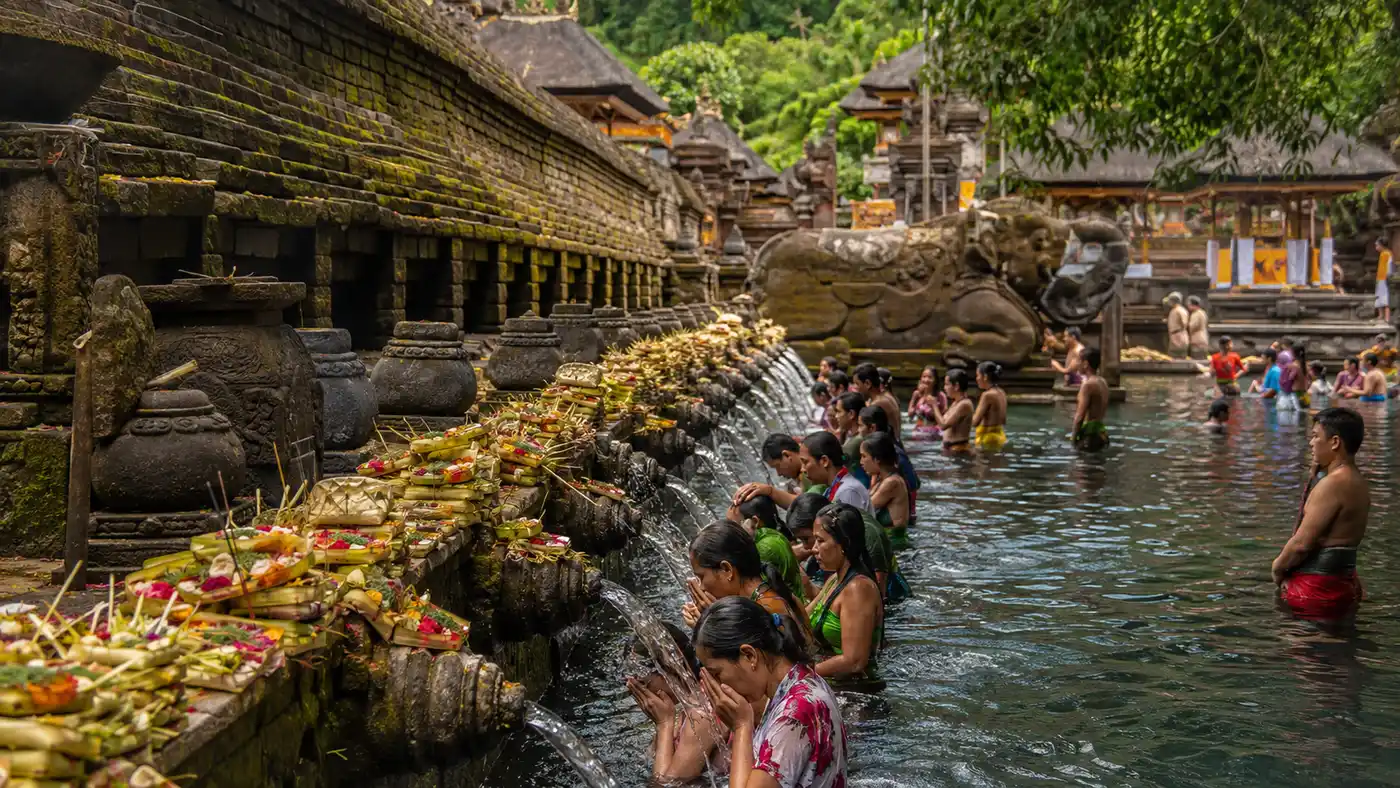
The history of Tirta Empul Temple stretches back over a thousand years, to 962 AD, according to ancient inscriptions. It was built around a natural spring that locals believe holds healing and purifying properties. The name itself, "Tirta Empul," means "holy spring" in Balinese. For centuries, Balinese Hindus have come here to cleanse their souls and minds, performing a ritual bathing known as Melukat. It’s more than just a dip in the water; it’s a spiritual journey, a way to connect with the divine.
Honestly, when I first heard about it, I pictured something incredibly formal, maybe even intimidating. But it’s actually quite accessible. The core belief is that the holy water, or tirta, cleanses negative influences, purifies the spirit, and brings good fortune. Many people come seeking spiritual healing, while others simply wish to experience a significant part of Balinese spiritual life. If you’re interested in diving deeper into the temple's origins, you can read more about the History and Significance of Tirta Empul Temple on our site.
You might be wondering, "can anyone do purification ritual at Tirta Empul Temple?" The short answer is yes, absolutely. While it is a Hindu temple, the Balinese are incredibly welcoming. They understand that visitors come with respect and curiosity, and they are happy to share their traditions. Just remember to approach it with an open heart and a respectful attitude. It’s a privilege to participate, not just another tourist activity.
Preparing for Your Cleansing Soul Experience
Getting ready for the purification ritual involves a few practical steps to ensure you’re comfortable and respectful. First things first, dress code. You absolutely need a sarong and a sash to enter the temple grounds, and a specific sarong for the water ritual itself. Don't worry if you don't have one; they are available for rent at the entrance for a small fee, usually around 10,000 IDR for the temple sarong. For the water ritual, you'll rent a special green sarong once you're inside, which is different from the one for walking around the temple.
I always recommend bringing a change of clothes. You will get completely wet, and walking around in soggy clothes is no fun. A small towel is also a good idea. Leave your valuables in a locker, which you can rent near the changing rooms. It costs about 15,000 IDR. This way, you can fully immerse yourself in the experience without worrying about your phone or wallet. Consider bringing a small offering, a canang sari, which you can buy from vendors just outside or sometimes within the temple complex for about 5,000 IDR. It’s a beautiful gesture of respect.
Pro tip: Arrive early, ideally before 9:00 AM. The temple gets very crowded with tour groups later in the morning and into the afternoon, which can make the experience feel rushed and less peaceful. My last visit, we got there at 8:30 AM and it was perfect, only a handful of others in the pools.
The best time to visit for the purification is in the morning, as the water can feel a bit chilly at first, but it quickly becomes refreshing. Early mornings also mean fewer people, allowing for a more serene and personal connection with the ritual. For more detailed information on entry fees and dress codes, check out our guide on Tirta Empul Temple Entrance Fee, Dress Code & Hours.
What to Bring for the Ritual
- Sarong and Sash: Required for entry; a second, specific sarong for the purification.
- Change of Clothes: You will get soaked, trust me.
- Small Towel: Essential for drying off afterwards.
- Locker Fee: Around 15,000 IDR for securing your belongings.
- Small Offering (Canang Sari): Optional, but a nice gesture of respect.
- Waterproof Pouch: If you absolutely must bring your phone for photos (though I suggest leaving it behind).
Step-by-Step Through the Tirta Empul Temple Ritual
Once you’re ready, dressed in your special green sarong, you'll head towards the main purification pools, known as the petirtaan. There are two main pools, each with several spouts, or kran. Before entering the water, you’ll typically make a small offering and a prayer at the shrine near the pools. It’s a moment to set your intention for the purification, whatever that might be for you.
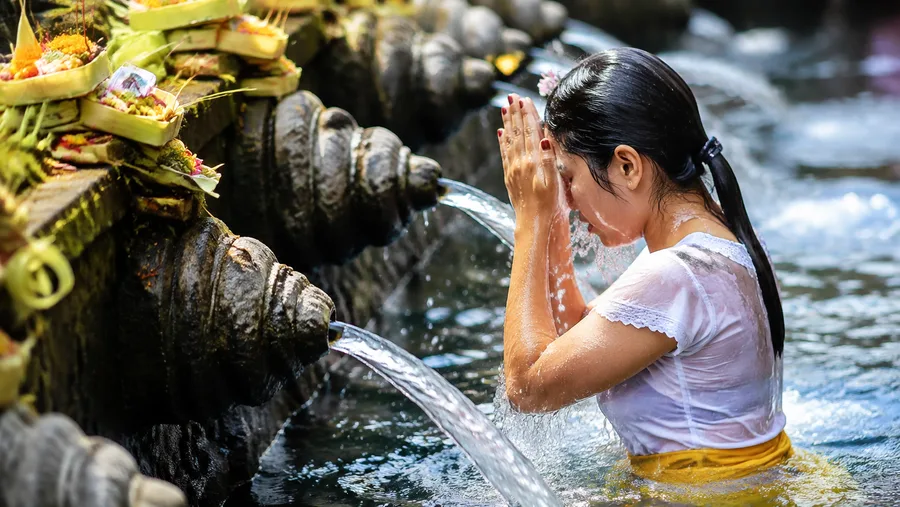
The actual process involves moving from one spout to the next in a specific order. You typically start from the first spout on the left in the main pool and work your way right. For each spout, you cup your hands, collect the holy water, and rinse your face three times. Then, you drink the water three times, and finally, immerse your head under the flowing water for a moment. This is repeated at almost every spout. The feeling of the cool water on your skin, especially on a hot Bali day, is incredibly invigorating. It’s a truly humbling and spiritual experience, a tangible way to feel the "tirta empul temple cleansing soul" effect.
Note: There are two spouts in the main purification pool that are traditionally skipped. These are associated with rituals for the deceased. If you see locals skipping them, just follow their lead. It’s a small but significant detail to respect local customs.
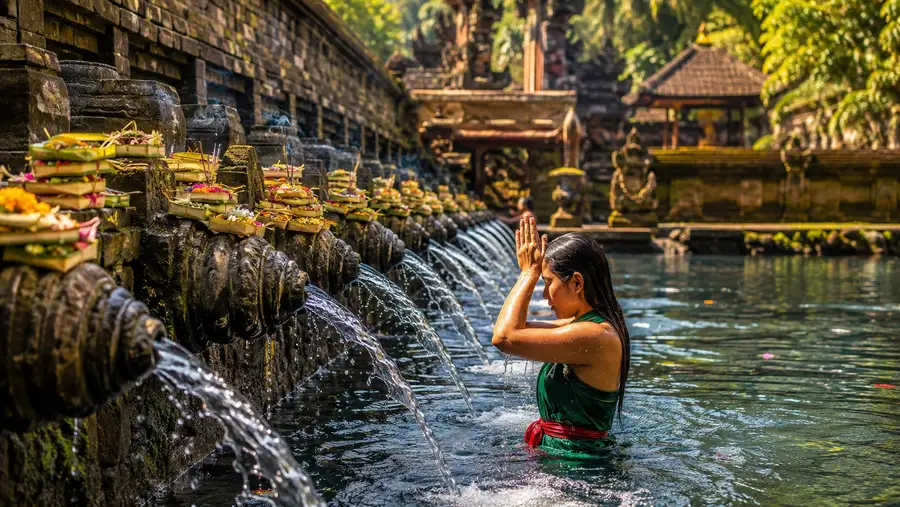
There are usually 13 spouts in the first pool and then a few more in the second. The spouts in the second pool are generally for specific blessings, often by local priests, and are sometimes less crowded. Take your time. Don't rush through it. Each spout represents a different blessing or purification. Some are for prosperity, others for health, and some for general spiritual cleansing. The whole process, depending on how busy it is, might take you about 40 minutes to an hour.
After you’ve completed the purification at all the relevant spouts, you exit the water, change back into your dry clothes, and then offer a prayer at the main temple shrine. This final prayer is a way of giving thanks and solidifying the purification. It’s a beautiful completion to the entire ritual.
Book your tirta empul temple experience:
Beyond the Main Pools: Other Tirta Empul Temple Activities
While the purification ritual is certainly the main draw, there are plenty of other Tirta Empul Temple activities to experience once you’ve dried off. The temple complex itself is quite large and beautiful, with intricate carvings and serene courtyards. Take some time to simply wander around. There’s a lovely fish pond filled with enormous koi fish, which are always fun to watch. You can buy fish food nearby if you want to feed them.
The main temple area, beyond the purification pools, is equally impressive. You’ll see several shrines and pavilions, often adorned with traditional Balinese decorations. This area is where many locals perform their daily prayers and offerings. It’s a peaceful place to observe and soak in the spiritual atmosphere. Just remember to be mindful and respectful, especially if ceremonies are taking place.
Outside the temple gates, you’ll find a bustling local market. It’s a bit of a maze, filled with stalls selling everything from sarongs and souvenirs to local crafts and snacks. You can practice your bargaining skills here, but remember to do it with a smile. I usually pick up a few small trinkets as gifts. It’s a great place to find unique items, though sometimes it feels a little overwhelming. If you’re looking for more general advice on Bali travel adventures, our website has a lot of resources for planning your trip.
Comparative Costs at Tirta Empul
Here’s a quick breakdown of some typical costs you might encounter during your visit:
| Item | Cost (IDR) | Notes |
|---|---|---|
| Temple Entrance Fee | 50,000 | Per adult visitor |
| Sarong Rental (temple grounds) | 10,000 | Required for entry, returnable |
| Sarong Rental (purification) | 10,000 | Special green sarong for the water, returnable |
| Locker Rental | 15,000 | For valuables, near changing rooms |
| Canang Sari (small offering) | 5,000 - 10,000 | Optional, for personal prayer |
| Fish Food | 5,000 | For feeding the koi in the pond |
Respecting Local Customs and Etiquette
Participating in the Tirta Empul Temple ritual is a wonderful experience, but it’s crucial to do so with respect for the local culture and traditions. Balinese Hinduism is deeply interwoven into daily life, and the temple is a living place of worship, not just a tourist attraction. Always remember to wear modest clothing; shoulders and knees should be covered when you’re walking around the temple grounds. The sarong and sash provided at the entrance take care of this, but it’s good to have appropriate attire underneath.
When you’re in the temple, try to keep your voice down, especially in prayer areas. Don't point your feet towards shrines or people, as feet are considered the lowest part of the body. Also, it’s not appropriate to sit on any of the shrines or walls. If you see a ceremony happening, observe quietly from a respectful distance. Don't walk in front of people who are praying or making offerings. Photography is generally allowed, but be discreet and never use a flash directly on people praying. I think it’s best to ask permission if you want to photograph an individual.
One more thing: women who are menstruating are traditionally asked not to enter the temple or participate in the purification ritual. While this might seem restrictive, it’s a deeply held cultural belief about purity. It’s best to respect this custom. When you leave, it’s common to leave a small donation in the offering box, though it's not compulsory. Just a few thousand rupiah is fine. It’s a way of contributing to the upkeep of this beautiful and sacred site.
Frequently Asked Questions about tirta empul temple ritual
Is the Tirta Empul Temple purification ritual safe?
Yes, the purification ritual is generally safe. The water comes directly from a natural spring, though it is an open pool. It is a very common activity for both locals and tourists. Just be mindful of your footing, as the steps and bottom can be a bit slippery.
How long does the purification ritual take?
The ritual itself, moving through all the spouts, usually takes between 40 minutes to an hour, depending on how busy the temple is. Allow extra time for changing, exploring the temple grounds, and visiting the market.
Do I need a guide to perform the purification ritual?
No, you do not strictly need a guide. The process is fairly straightforward, and you can observe others or follow the general flow. However, a local guide can provide deeper insights into the meaning of each spout and the cultural significance, enriching your experience quite a bit.
Quick Reference
- Location: Tampaksiring, Bali
- Purpose: Hindu purification ritual (Melukat)
- Dress Code: Sarong and sash required
- Cost: 50,000 IDR entrance, small fees for sarong/locker
- Best Time: Early morning (before 9 AM)
Book your tirta empul temple experience:
Is It Worth It? My Take on the Tirta Empul Temple Ritual
Honestly, yes, it is absolutely worth the trip. The Tirta Empul Temple ritual is more than just an activity; it’s an experience that can genuinely move you. Stepping into those cool, clear waters, feeling the stream cascade over you, it’s a moment of quiet reflection and connection. You don't have to be Hindu to appreciate the deep spiritual significance for the Balinese people, or to find your own sense of calm and renewal there. It’s one of those things that sticks with you long after you’ve left Bali, a vivid memory of its unique heart. So, if you’re planning a visit, definitely make time for this ancient cleansing ritual. It truly offers a unique insight into the island's soul.
Read more about tirta empul temple.